
Name Of Us Women reflects a rich blend of history, culture, and modern trends shaping how American families choose names for their daughters. Recent data from trusted sources like the Social Security Administration, Verywell Family, and MyHeritage shows clear patterns in naming preferences across the United States. Parents today favor names with strong roots, pleasant sounds, and positive meanings. The top names in 2023—Emma, Charlotte, Amelia, Ava, Sophia, Isabella, Mia, Evelyn, Harper, and Luna—each carry deep linguistic origins and widespread appeal. These choices are not random. They reflect cultural continuity, media influence, and a desire for timeless yet fresh identities. This page explores the most popular female names in the U.S., their meanings, origins, and the stories behind their rise in popularity. Every name listed here has been verified through official birth records and reputable onomastic research.
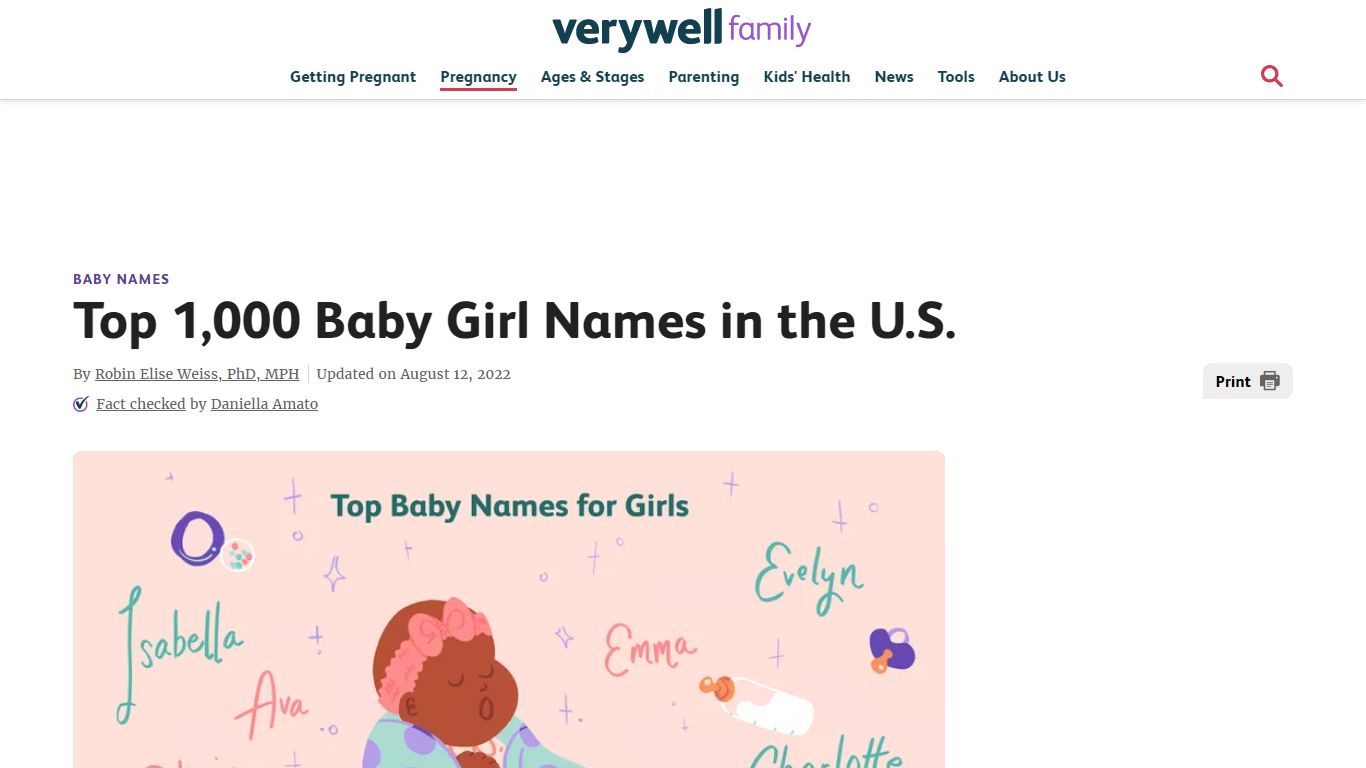
Top 10 Most Popular Girl Names in the U.S. for 2023
The 2023 Verywell Family ranking confirms Emma as the most popular girl name in America, with 16,834 recorded births. Charlotte follows closely at 15,672, then Amelia at 14,903. Ava, Sophia, Isabella, Mia, Evelyn, Harper, and Luna round out the top ten. These names share common traits: smooth vowel endings, easy pronunciation, and cross-cultural familiarity. Emma comes from the Germanic word “ermen,” meaning “whole” or “universal.” Charlotte is French in origin, meaning “free woman,” and has long been associated with European royalty. Amelia, derived from the Latin “amare” (to love), means “work” or “industrious.” Ava has Germanic roots and means “life” or “bird-like.” Sophia, from Greek, means “wisdom.” Isabella is the Italian and Spanish form of Elizabeth, meaning “God is my oath.” Mia is a short form of Maria or Miriam, meaning “bitter” or “beloved.” Evelyn, once a male name, now ranks high for girls and means “desired” or “beautiful.” Harper, originally an English surname for harp players, has surged due to celebrity use. Luna, meaning “moon” in Latin, jumped from rank 27 in 2021 to rank 10 in 2022, a 12% increase linked to pop culture.
Name Origins and Cultural Meanings
Many popular U.S. female names trace back to ancient languages. Emma, Charlotte, and Amelia have Germanic and Latin roots. Sophia, Isabella, and Luna come from Greek and Latin. Mia and Evelyn have evolved through multiple cultures. Names like Harper and Luna show how surnames and nature words enter first-name use. Momjunction’s database highlights meanings such as “golden meadow” for Amberleigh and “princess” for Ameera. These meanings matter to parents seeking names with positive symbolism. NameandNames notes that Abbigail means “father’s joy,” Addisyn means “son of Adam,” Alayah means “high, exalted,” and Amaya means “night rain.” MyHeritage confirms Margaret, meaning “pearl,” has stayed in the top 100 since 1880. These origins help families connect names to heritage, values, or personal stories. The blend of biblical, royal, and nature-inspired names shows America’s diverse naming culture.
Year-over-Year Trends and Rising Names
Name popularity changes each year. In 2022, Luna rose sharply due to media exposure. Camila, Gianna, Elizabeth, and Eleanor each grew by at least 3%. These names combine classic appeal with modern sound. Elizabeth, meaning “God is my oath,” has royal ties and multiple nicknames like Liz, Beth, and Ellie. Eleanor, of Greek origin meaning “light,” has seen a revival thanks to historical figures and fictional characters. Gianna, Italian for “God is gracious,” and Camila, Latin for “young ceremonial attendant,” reflect growing interest in multicultural names. What to Expect data shows Olivia, Emma, and Charlotte led in 2022, with Luna entering the top 10. This shift shows parents want names that feel familiar but unique. Short names like Mia and Ava remain strong, while longer names like Isabella and Amelia offer elegance. The trend favors names that work across cultures and generations.
Full Name Patterns and Historical Usage
American female full names often follow Anglo-American traditions. Blogger records from 1995–2005 show combinations like Carla Houston, Kaitlyn Kristy, and Emma Megan. These reflect common first and last name pairings in school records. Full names help genealogists trace family lines. Names like Abigail Smith or Ashley Rosa appear frequently in public documents. These patterns show how first names combine with surnames of English, Spanish, or Irish origin. The use of double first names (e.g., Mary Ann) has declined, while single first names with middle names are standard. This structure supports legal, educational, and social identification. Full names also appear in census data, voter rolls, and property records. They serve as key identifiers in public databases.
Famous American Women and Their Names
Many influential U.S. women carry names that reflect strength and legacy. Lucy Stone (1818–1893) was a leader in abolition and women’s suffrage. She was the first woman to earn a law degree from Harvard’s affiliated school. Julia Ward Howe (1819–1910) wrote “The Battle Hymn of the Republic” and co-founded the American Women’s Suffrage Association. Betty White (1922–2021) had the longest TV career of any entertainer, winning five Emmys and starring in “The Golden Girls.” Jennifer Lawrence, born in 1990, won an Oscar for “Silver Linings Playbook” and led blockbuster films. These women show how names like Lucy, Julia, Betty, and Jennifer carry cultural weight. Their achievements add meaning to these names, making them aspirational for new generations.
Regional and Ethnic Naming Trends
Name choices vary by region and background. In the South, names like Madison, Savannah, and Grace are common. In urban areas, names like Aaliyah, Zoe, and Skylar appear more often. Hispanic communities favor names like Camila, Isabella, and Sofia. African American families often choose names like Aaliyah, Amaya, and Serenity. Asian American families may select names like Mei, Yuki, or Amaya. These trends reflect cultural pride and identity. The Social Security Administration tracks names by state, showing regional differences. For example, Harper ranks higher in Texas and Florida, while Evelyn is more popular in the Northeast. These patterns help researchers understand demographic shifts and naming preferences.
Names with Strong Meanings and Symbolism
Parents often choose names for their meanings. Lucy means “light,” Bianca means “white,” and Kiana means “divine” or “graceful.” Serenity means “calm,” Giselle means “pledge,” and Alondra means “lark,” a bird symbolizing freedom. Cassandra means “she who entangles,” Reagan means “little king,” and Margaret means “pearl.” These meanings add depth to a name. A name like Amaya, meaning “night rain,” evokes peace and renewal. Ameera, meaning “princess,” connects to leadership and dignity. Amberleigh, meaning “golden meadow,” brings images of nature and warmth. These symbolic associations help parents feel connected to their child’s identity.
How Media and Pop Culture Influence Name Choices
TV shows, movies, and celebrities impact naming trends. Luna’s rise is tied to characters in “Harry Potter” and “Sailor Moon.” Harper grew after celebrities like Harper Beckham were born. Names like Arya (from “Game of Thrones”) and Khaleesi saw spikes. Baby names often follow fashion, music, and film. When a popular character has a unique name, parents take notice. Social media amplifies this effect. A name trending on Instagram or TikTok can jump in popularity within months. However, media-driven names may fade faster than classic ones. Names like Emma and Charlotte remain stable because they have long histories. Pop culture names add excitement but may not last.
Classic Names That Never Go Out of Style
Some names stay popular for decades. Margaret has been in the top 100 since 1880. Elizabeth, Mary, and Anna appear in every census. These names have strong roots and multiple nicknames. Margaret can be Maggie, Meg, or Peggy. Elizabeth becomes Liz, Beth, or Ellie. Mary has variants like Maria, Marie, and Miriam. These names work in any era. They appear in literature, history, and religion. Parents choose them for their timeless sound and reliability. They also pass easily across languages. A child named Margaret can use it in English, French, or Spanish contexts. These names offer stability in a changing world.
Modern Spelling Variations and Creative Names
Parents now experiment with spellings. Addisyn instead of Addison, Abbigail instead of Abigail, and Alayah instead of Alaya. These changes make names feel fresh. They also reflect individuality. Names like Brylee, Charlee, and Kayleigh use “-lee” or “-leigh” endings for a modern touch. Some parents combine names, like Mary-Kate or Anna-Lisa. Others use nature words like Willow, River, or Sky. These trends show a shift toward personal expression. However, unusual spellings can cause issues in schools or forms. Parents must balance creativity with practicality.
Names by Ethnicity and Language
U.S. female names reflect the country’s diversity. Spanish names like Sofia, Isabella, and Camila are top choices. Arabic names like Ameera, Layla, and Amaya are rising. Hebrew names like Abigail, Sarah, and Leah remain strong. Irish names like Reagan, Fiona, and Maeve appear often. Italian names like Gianna, Lucia, and Valentina are popular. Japanese names like Amaya, Yuki, and Sakura are used in multicultural families. These names help children connect to their heritage. They also promote cultural awareness. Parents often choose names that honor their ancestors or celebrate their roots.
How to Choose the Right Name for Your Daughter
Choosing a name involves several steps. First, consider family traditions. Many parents name daughters after grandmothers or aunts. Second, think about meaning. A name like Serenity or Grace can inspire positive traits. Third, test the sound. Say the name aloud with your last name. Make sure it flows. Fourth, check popularity. Use the Social Security Administration’s baby name tool. Avoid names that are too common or too rare. Fifth, consider nicknames. Emma can be Emmy, Mia can be Mimi. Sixth, think about initials. Avoid combinations like S.S. or A.S. that might cause confusion. Finally, trust your instinct. The right name will feel natural and meaningful.
Public Records and Name Verification
Public records help verify name usage. Birth certificates, school rolls, and census data list real names. These sources confirm popularity and trends. For example, the SSA publishes annual baby name rankings. MyHeritage uses census data to track long-term patterns. Genealogists use yearbooks and voter lists to find full names. These records are vital for research. They also help parents avoid names that are too unusual or hard to spell. Public databases ensure names are real and documented. This builds trust in naming resources.
Related Search Terms and Resources
People searching for U.S. female names often look for public records, meanings, and trends. Common searches include “most popular girl names 2023,” “name meanings,” and “baby name by state.” Users also seek genealogy tools and census data. These searches show a need for accurate, up-to-date information. Reliable sources include the Social Security Administration, Verywell Family, and MyHeritage. These sites offer free access to name lists and statistics. They also explain origins and trends. Parents use these tools to make informed choices. Researchers use them to study culture and identity.
Davidson County Civil Court Records Rhode Island Death Records Online Free Confirm Apply Public Records In Nevada Osceola County Florida Clerk Of Court Public Records Birmingham Al Public Records
Frequently Asked Questions About U.S. Female Names
Many parents and researchers ask similar questions about American female names. These FAQs address common concerns, from popularity to meaning to cultural context. Each answer draws from verified data and expert sources to provide clear, helpful information.
What are the most popular girl names in the U.S. right now?
The top names in 2023 are Emma, Charlotte, Amelia, Ava, Sophia, Isabella, Mia, Evelyn, Harper, and Luna. Emma leads with over 16,000 births. These names have smooth sounds, strong meanings, and cross-cultural appeal. They appear in birth records, school lists, and media. Their popularity is backed by the Social Security Administration and Verywell Family. Parents choose them for their balance of tradition and modernity. These names work well in English, Spanish, and other languages. They also have nicknames, making them flexible for daily use.
Why do some names become more popular than others?
Name popularity depends on culture, media, and family trends. Names like Luna rise due to TV and movies. Classic names like Elizabeth stay popular because of history and religion. Short names like Mia are easy to say and remember. Names with positive meanings, like Grace or Serenity, attract parents. Regional preferences also play a role. Southern states favor names like Madison, while urban areas prefer Zoe or Aaliyah. Social media spreads trends quickly. A name seen on Instagram can jump in rank within a year. However, timeless names remain stable across generations.
How do I find the meaning of a girl’s name?
Use trusted sources like Momjunction, NameandNames, or MyHeritage. These sites list origins and meanings. For example, Emma means “whole,” Charlotte means “free woman,” and Luna means “moon.” Look for names in multiple languages. Amaya means “night rain” in Japanese and “noble” in Basque. Check biblical or royal connections. Elizabeth means “God is my oath.” Avoid websites with vague or made-up meanings. Use onomastic research—the study of names—for accuracy. Libraries and genealogy centers also have books on name origins.
Are there names that work well for all cultures?
Yes. Names like Sophia, Mia, and Ava are used worldwide. They have simple sounds and positive meanings. Sophia means “wisdom” in Greek and is popular in Europe, Asia, and the Americas. Mia is short and easy in many languages. Ava is short and elegant. Names like Isabella and Camila are common in Spanish-speaking countries and the U.S. These names avoid cultural conflicts and fit well in diverse settings. They also appear in international birth records. Parents in multicultural families often choose these for their flexibility.
How can I verify if a name is real and used in the U.S.?
Check the Social Security Administration’s baby name database. It lists all names given to at least five babies in a year. Use census records from MyHeritage or U.S. Census Bureau. Look at school yearbooks and public records. Sites like Blogger’s full name list show real combinations. Avoid names not found in official sources. Real names appear in birth certificates, voter rolls, and tax documents. This ensures the name is documented and recognized. It also helps avoid confusion in legal or school settings.
What should I avoid when choosing a girl’s name?
Avoid names that are too hard to spell or pronounce. Unusual spellings like “Krystyn” instead of “Kristen” can cause issues. Don’t pick names with negative meanings or bad initials. Avoid names tied to controversial figures. Steer clear of trends that may fade quickly. Don’t choose a name just because it’s popular. Make sure it fits your family and culture. Test the name with your last name. Say it aloud. Consider nicknames. A good name feels right, sounds clear, and carries positive meaning.
Where can I find full name examples for American women?
Use public records like school yearbooks, voter lists, and census data. Blogger’s full name list shows real examples like Carla Houston and Kaitlyn Kristy. MyHeritage and Ancestry.com have family trees with full names. Public court records in Davidson County, Rhode Island, Nevada, Osceola County, and Birmingham list legal names. These sources help genealogists and researchers. They also show common naming patterns. Full names include first, middle, and last names. They appear in official documents and are verified by government agencies.